
Water Damage Mitigation Denver is crucial due to the city's variable climate, with severe storms, rapid snowmelt, and flooding causing significant challenges. Key steps include swift action, maintenance, flood protection systems, immediate contact with professionals for extraction, drying, and decontamination within 24-48 hours. Advanced equipment, humidity monitoring, and professional services minimize structural damage, health risks, and insurance claim complexities. Proactive measures, like waterproofing and drainage enhancements, reduce long-term property risk by 70%. Engaging seasoned professionals protects investments and ensures safe, effective restoration.
Water damage is a common yet devastating issue faced by many Denver residents. From burst pipes to heavy rainfall, unexpected water intrusion can lead to extensive property damage, affecting both the structural integrity and personal belongings. Prompt and effective Water Damage Mitigation Denver services are essential to minimize these impacts. Our team of trained professionals offers expert cleanup and restoration solutions tailored to each unique situation. We understand that time is critical when dealing with water damage, which is why we’re available 24/7 to provide swift response and comprehensive restoration for any water-related crises.
- Understanding Water Damage in Denver: Common Causes and Impacts
- Immediate Actions After Flooding: Safeguarding Your Property
- Water Damage Mitigation Denver: The Critical First Steps
- Professional Restoration Techniques for Denver Homes and Businesses
- Drying and Dehumidification: Key to Successful Water Damage Repair
- Preventive Measures: Protecting Against Future Water Damage in Denver
Understanding Water Damage in Denver: Common Causes and Impacts
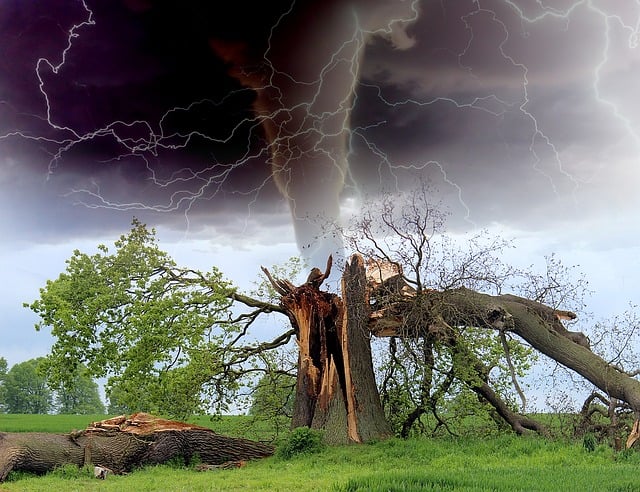
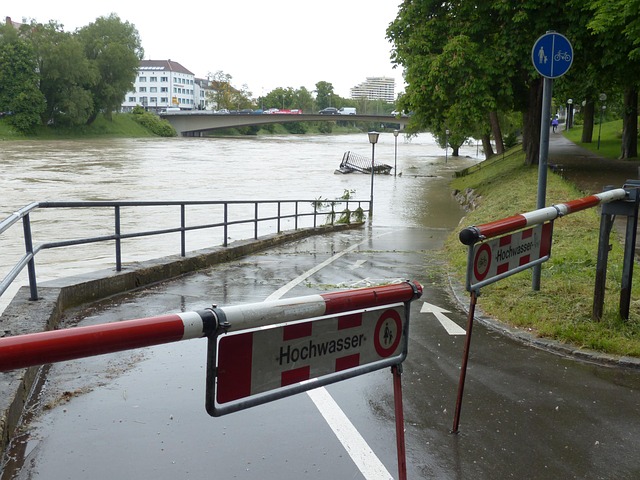
Water damage is a prevalent concern for homeowners and businesses alike in Denver, a city known for its diverse climate and unpredictable weather patterns. Understanding the common causes of water damage is essential for prompt mitigation and effective restoration. According to recent studies, severe storms, rapid snowmelt, and flooding are significant contributors to water-related disasters in the region. For instance, sudden downpours can overwhelm drainage systems, leading to street flooding and infiltrating homes through basements and crawl spaces. Similarly, spring and summer bring intense thunderstorms capable of generating powerful flash floods, posing a critical risk to low-lying areas.
The impacts of water damage can be far-reaching, affecting not only the affected structures but also the health and safety of occupants. Prolonged exposure to moisture fosters the growth of mold and mildew, which can lead to respiratory issues and allergies. In commercial settings, water damage may disrupt business operations, result in significant financial losses, and even pose insurance claims challenges due to delays in mitigation and restoration processes. Crime Scene Cleanup Denver services are often required for businesses experiencing severe water damage, especially when the source is unknown or involves contaminated water, such as broken pipes or sewer backflows.
Effective Water Damage Mitigation Denver strategies focus on swift action and comprehensive restoration. Homeowners should prioritize regular maintenance to prevent water intrusion, including checking and repairing roof leaks, ensuring downspout extensions direct water away from foundations, and sealing crawl space vents. Commercial properties can implement advanced flood protection systems and early warning devices. When water damage does occur, it is crucial to contact Denver water damage restoration experts near me for immediate assistance. They employ specialized equipment and techniques for extracting water, drying out affected areas, and decontaminating spaces to ensure a safe and healthy environment. Time is of the essence in these situations, as rapid response can significantly minimize repair costs and restore businesses to operational status more efficiently.
Immediate Actions After Flooding: Safeguarding Your Property

After a flooding event, immediate action is crucial for minimizing water damage and protecting your property in Denver. The first 24 to 48 hours are a critical window for effective water damage mitigation. This involves several key steps that homeowners and business owners alike should take. First, turn off the main water supply to prevent further ingress of water. If the flooding is due to a burst pipe, locate and shut off the affected valve. Then, begin emergency water removal as soon as possible using buckets, mops, or specialized equipment for faster results.
For commercial flood damage restoration in Denver, professional services are invaluable. Experts in water damage prevention strategies utilize advanced equipment like high-volume pumps and dehumidifiers to swiftly dry out structures. These professionals also have access to powerful disinfectants to prevent mold growth, a common issue following water intrusion. For instance, according to the Insurance Institute for Business & Home Safety, mold can start growing within 24 to 48 hours of flooding, posing health risks and necessitating prompt action.
Beyond immediate removal of standing water, it’s important to address any source of moisture. Check for leaks in pipes, appliances, or roofs, and fix them promptly. Implement temporary measures like setting up fans and dehumidifiers to speed up drying, especially in hard-to-reach areas or spaces with limited ventilation. Regular monitoring of humidity levels is recommended until the area is fully dried, ensuring no hidden moisture remains that could lead to future damage or health risks.
Water Damage Mitigation Denver: The Critical First Steps
Water Damage Mitigation Denver is a critical process that requires immediate and professional attention to minimize structural damage and prevent health risks. The first 24–48 hours are crucial; swift action by trained experts can significantly reduce restoration costs and ensure a faster return to normalcy for Denver residents. Professional water damage repair Denver services employ advanced techniques, such as specialized equipment for sewage cleanup Denver, to mitigate the impact of both large-scale disasters like floods and smaller incidents like pipe bursts.
Advanced Restoration Colorado, for instance, utilizes state-of-the-art moisture meters and thermal imaging cameras to pinpoint water sources and assess damage invisibly to the naked eye. This precise approach allows for targeted water extraction, preventing unnecessary disruption or drying out of non-affected areas. Furthermore, these professionals employ advanced drying techniques, including high-efficiency dehumidifiers and air movers, to expedite the drying process, reducing the likelihood of mold growth and other secondary damages.
Data from the National Weather Service indicates that Denver experiences an average of 15 days with flooding each year, underscoring the importance of prompt Water Damage Mitigation Denver. Homeowners should remember that water damage isn’t just about wet carpets or flooded basements; it can also include hidden dangers like contaminated water from sewage backup, which necessitates professional sewage cleanup Denver services. By enlisting the help of seasoned professionals in Water Damage Mitigation Denver, residents can protect their investments, ensure a healthier living environment, and avoid costly long-term repairs.
Professional Restoration Techniques for Denver Homes and Businesses

Denver homes and businesses face unique challenges when it comes to water damage mitigation due to the region’s unpredictable weather patterns. Professional restoration services in Denver play a crucial role in minimizing losses and ensuring proper recovery. This section delves into advanced restoration techniques employed by experts to handle various water damage scenarios, focusing on effective Denver water damage cleanup and restoration.
The first step in any water damage cleanup is assessing the extent of the problem. Professionals use specialized equipment to detect moisture levels and identify affected areas. In residential settings, this might involve inspecting walls, floors, and basements for signs of water intrusion. For businesses, a comprehensive assessment ensures that critical operations and valuable assets are protected. For instance, commercial properties often require sophisticated drying techniques due to larger spaces and high-value equipment.
Water damage restoration cost in Denver varies depending on the severity of the issue. According to industry reports, the average price for residential water damage repairs ranges from $3,000 to $7,500. Commercial projects can be significantly more expensive, with costs reaching up to $10,000 per day or more for specialized equipment and labor. However, prompt action is essential; delaying Denver water damage mitigation can lead to mold growth and structural deterioration, increasing restoration expenses.
Experts in Denver water damage cleanup employ advanced methods like air movement strategies, dehumidification, and specialized cleaning solutions. These techniques ensure that structures are not only dried but also sanitized and restored to their pre-damaged condition. For example, using fans and heaters strategically can accelerate drying times while minimizing the risk of mold development. Additionally, professional restoration services often involve decontaminating affected areas with EPA-approved disinfectants, especially in cases where water sources may contain contaminants. This comprehensive approach guarantees that Denver homes and businesses are restored to a safe and healthy state.
Drying and Dehumidification: Key to Successful Water Damage Repair

Water damage mitigation is a critical component of any successful water damage restoration process, particularly in Denver’s challenging climate. Efficient drying and dehumidification play a pivotal role in preventing mold growth, structural deterioration, and the proliferation of allergens, ensuring homes and businesses return to pre-loss conditions. The intricate process involves advanced equipment and scientific principles to control moisture levels, address hidden water sources, and expedite recovery.
Denver, with its diverse weather patterns, from sudden torrential rains to prolonged periods of high humidity, necessitates swift action when water damage occurs. Professional Water Damage Mitigation Denver services employ specialized tools like air movers, dehumidifiers, and humidifiers to evaporate moisture effectively. This multi-step approach starts by removing visible water using extraction methods, followed by drying the affected areas below the recommended relative humidity levels (between 30%–50%). For instance, a study by the Institute of Inspection, Cleaning and Restoration Certification (IICRC) found that proper dehumidification can reduce mold growth by up to 98%.
Effective water damage restoration in Denver goes beyond initial drying. It involves meticulous monitoring of moisture levels, especially in hard-to-reach areas or hidden spaces behind walls and floors. Professionals use advanced instruments like moisture meters and thermometers to ensure every nook is thoroughly dried. This meticulous process is essential for addressing potential secondary damages, such as warped flooring, peeling paint, or compromised structural integrity. Additionally, Biohazard Cleanup Denver services are crucial when water damage includes contaminated sources, ensuring the safe removal of hazardous materials and mitigating health risks associated with mold and bacteria growth.
When navigating insurance claims for Water Damage Restoration Denver, understanding the importance of proper drying and dehumidification is vital. Insurance adjusters often require detailed documentation and evidence of comprehensive mitigation efforts. Timely and effective water damage mitigation not only facilitates a smoother claims process but also minimizes potential costs associated with prolonged moisture issues, including mold remediation and structural repairs.
Preventive Measures: Protecting Against Future Water Damage in Denver
Protecting your Denver property from water damage is a year-round concern, but it becomes especially critical during and after renovation projects. Water damage mitigation in Denver isn’t just about responding to emergencies; it’s an ongoing process that involves proactive measures and utilizing top-tier denver water damage restoration services. After all, according to the National Weather Service, Colorado experiences some of the highest annual rainfall amounts in the country, increasing the risk for flooding and water intrusion.
Renovations, whether they involve kitchen upgrades or expansive additions, create unique vulnerabilities. New construction materials and changes in the building’s structure can introduce entry points for water, exacerbating existing issues like outdated plumbing or improper flashing. The best water damage mitigation companies in Denver recognize this and offer comprehensive solutions tailored to each project. These include sealing gaps around pipes and wiring, installing modern waterproofing membranes, and enhancing drainage systems both inside and outside the home.
Investing in denver water damage restoration after renovation projects isn’t merely about preventing short-term problems; it’s a key component of long-term property preservation. A study by the Insurance Institute for Business & Home Safety (IBHS) found that homes with proper water protection measures suffered 70% less water damage during storms compared to those without. Furthermore, many top denver water damage restoration guarantees include preventive services, ensuring peace of mind and protecting your investment against future water damage. By prioritizing water damage mitigation Denver residents can safeguard their homes, minimize disruption, and avoid the costly repairs that often follow severe water events.
Water damage is a significant concern for Denver residents and businesses, but understanding its causes and implementing effective mitigation strategies can minimize its impact. Key takeaways from this article highlight the importance of immediate action after flooding, with safeguards to protect property and prevent further harm. Water Damage Mitigation Denver begins with critical first steps, including professional restoration techniques that address moisture removal and structural drying. The process emphasizes the vital role of dehumidification in eliminating residual humidity, a crucial step for successful repair. Moreover, preventive measures offer long-term protection against future water damage, ensuring Denver’s homes and businesses remain resilient. By following these comprehensive guidelines, property owners can navigate water damage effectively, restoring their spaces with confidence.